Introduction
Ear infection in children is a common health problem. Many parents worry when their child has ear pain. You may notice signs of ear infection in kids, such as fussiness or trouble hearing. Sometimes, child ear pain causes can be hard to spot. However, knowing how to treat ear infections in children can help you act quickly. In this blog, you will learn about symptoms, causes, treatment, and prevention. Let’s explore how you can keep your child healthy and comfortable.
What is an Ear Infection in Children?
An ear infection happens when germs cause swelling inside the ear. Most often, it affects the middle ear, which is the space behind the eardrum. Children get ear infections more often than adults. This is because their ear tubes are shorter and can get blocked easily. According to the CDC, ear infections are a leading reason for doctor visits in children. While most infections are mild, some may need medical care.
Common Symptoms of Ear Infections
It can be hard for young children to say what hurts. Still, there are signs you can watch for. Early treatment can help prevent problems. Look for these symptoms:
Sometimes, symptoms are mild. But if your child has a high fever or severe pain, seek help right away.
Causes and Risk Factors
Ear infections often start after a cold or sore throat. Viruses or bacteria can travel from the nose to the ear. As a result, the ear fills with fluid and becomes swollen. Some children are more likely to get ear infections. Here are common risk factors:
Although you cannot control every risk, knowing them can help you take steps to protect your child.
How Ear Infections are Diagnosed
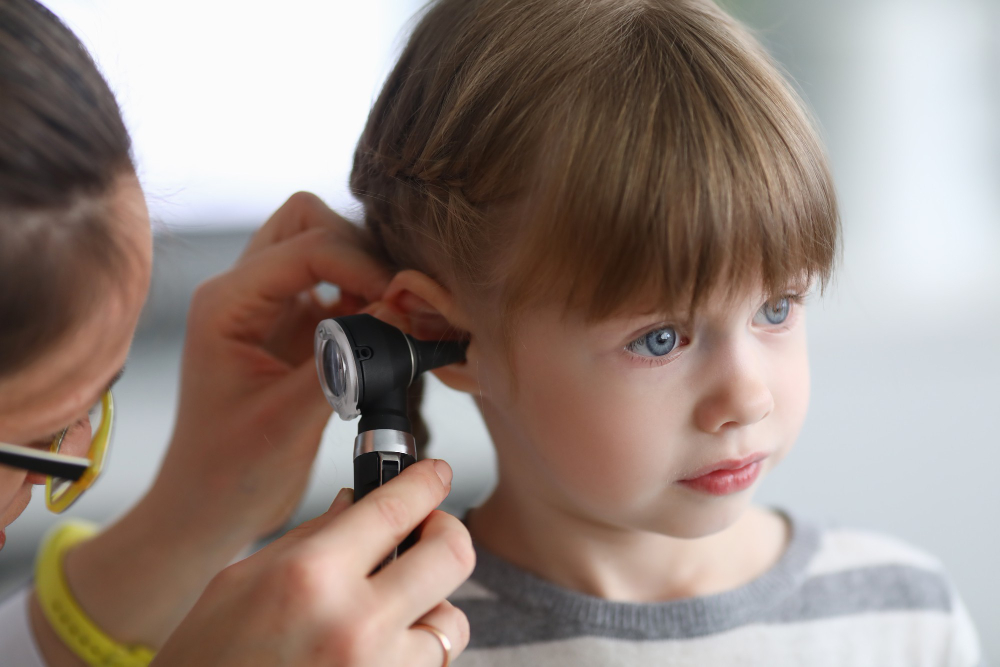
Doctors use a simple exam to check for ear infections. First, they look inside the ear with a special light called an otoscope. This tool helps them see if the eardrum is red, swollen, or has fluid behind it. Sometimes, the doctor may gently blow air into the ear to see how the eardrum moves. In rare cases, hearing tests or other exams are needed. Most of the time, a quick check is enough to make a diagnosis.
Treatment Options for Children
Treatment depends on your child’s age and how bad the infection is. Many mild ear infections get better on their own. However, doctors may suggest:
According to the American Academy of Pediatrics, not all ear infections need antibiotics. Overuse can lead to resistance. Always follow your doctor’s advice.
Home Care and Lifestyle Tips
While your child recovers, you can help them feel better at home. Try these tips:
With proper care, most children recover quickly. But if symptoms get worse, call your doctor.
Prevention Strategies for Parents
Although ear infections are common, you can lower your child’s risk. Here are some prevention tips:
Even with these steps, some children may still get ear infections. Early action can help prevent problems.
When to See a Doctor
Sometimes, ear infections need medical care. Contact your doctor if your child:
Quick treatment can prevent hearing loss or other problems. Do not wait if you are worried.
Conclusion
Ear infections in children are common but treatable. Knowing the signs and causes can help you act fast. With the right care, most children recover well. Consult a pediatric ENT specialist if you suspect your child has an ear infection.