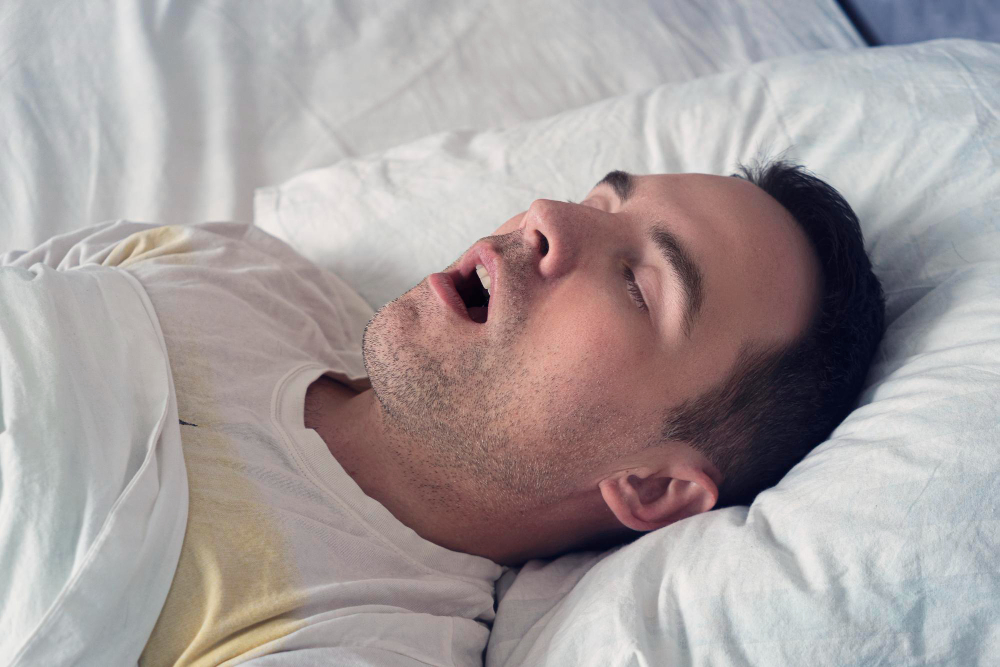
Obstructive sleep apnea is a common sleep disorder. It happens when your throat muscles relax and block your airway during sleep. Because of this, breathing stops and starts many times at night. As a result, you may feel tired during the day. Obstructive sleep apnea can affect your health and quality of life. Early detection and treatment are important for better sleep and well-being.
Symptoms of Obstructive Sleep Apnea
Many people with obstructive sleep apnea do not know they have it. However, certain signs can help you spot the problem. For example, you may notice:
Sometimes, children with sleep apnea may show different symptoms. For instance, they may have trouble focusing in school or act out.
Causes and Risk Factors
Obstructive sleep apnea happens when the muscles in your throat relax too much. As a result, your airway narrows or closes, making it hard to breathe. Several factors can increase your risk:
Even so, anyone can develop obstructive sleep apnea, including children.
Diagnosis and Testing Methods
If you have symptoms of obstructive sleep apnea, your doctor may suggest a sleep study. This test checks your breathing, heart rate, and oxygen levels while you sleep. There are two main types:
After the test, your doctor will review the results. Then, they will decide if you have obstructive sleep apnea and how severe it is.
Treatment Options
Treatment for obstructive sleep apnea depends on how severe it is. There are several ways to manage the condition:
Medical Treatments
Surgical Treatments
Lifestyle Changes
With the right treatment, most people feel better and sleep well again.
Prevention and Lifestyle Tips
Although not all cases can be prevented, some steps may lower your risk. For example, you can:
Because healthy habits support good sleep, they may also help prevent obstructive sleep apnea.
When to See an ENT Specialist
If you or a loved one has symptoms of obstructive sleep apnea, it is important to seek help. For instance, see an ENT specialist if you:
Early diagnosis and treatment can prevent serious health problems. Therefore, do not wait to get help.
Consult an ENT specialist for personalized advice on obstructive sleep apnea.