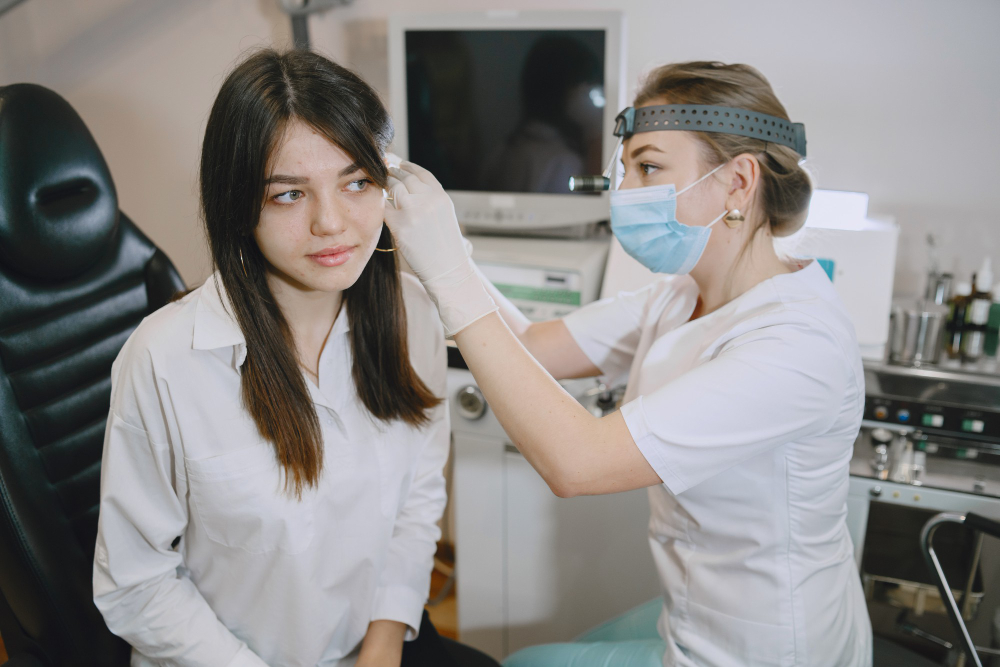
Ear hygiene and cleaning are important for keeping your ears healthy. Many people wonder about safe ways to clean ears at home. However, not all cleaning methods are safe. Good ear care helps prevent infections, hearing loss, and discomfort. In this blog, you will learn what to do, what not to do, and how to keep your ears clean and healthy.
Why Ear Hygiene Matters
Proper ear hygiene protects your ears from infection and damage. For example, earwax helps trap dust and keeps your ears safe. But, too much wax can cause problems. If you clean your ears the wrong way, you might push wax deeper or hurt your ear canal. Therefore, knowing the right way to care for your ears is important for everyone.
What to Do: Safe Ear Cleaning Practices
Most people do not need to clean their ears often. Usually, ears clean themselves. Still, you may want to remove extra wax or dirt. Here are some safe ways to clean ears at home:
Additionally, always wash your hands before touching your ears. This helps prevent germs from entering your ear canal.
What NOT to Do: Common Mistakes and Risks
Many people make mistakes when cleaning their ears. These mistakes can cause harm. Here are ear cleaning mistakes to avoid:
In fact, using cotton swabs can push wax deeper and cause injury. According to the Centers for Disease Control and Prevention (CDC), ear candles and sharp objects can damage your ear canal or eardrum.
Signs of Ear Problems
Sometimes, ear problems need medical care. Watch for these signs:
If you notice any of these symptoms, it is best to seek help from a healthcare provider.
When to See an ENT Specialist
Sometimes, home care is not enough. You should see an ENT (Ear, Nose, and Throat) specialist if:
Moreover, people with diabetes or weak immune systems should be extra careful. In humid places or if you swim often, you may have a higher risk of ear infections. An ENT specialist can give you the best advice for your needs.
Prevention Tips for Healthy Ears
Keeping your ears healthy is simple if you follow these tips:
Also, teach children not to put things in their ears. Good habits start early and help prevent problems later.
Conclusion
In summary, ear hygiene and cleaning are important for your health. Safe ways to clean ears include wiping the outer ear and using ear drops if needed. Avoid cotton swabs, ear candles, and sharp objects. If you notice ear pain, discharge, or hearing loss, consult an ENT specialist for personalized ear care advice.